 There is, on a shelf in my living room, a handsome little kaleidoscope; turn the wheel and hosts of colorful patterns burst into view; keep turning and the patterns constantly change. That same room has a wall of windows facing northwest, providing a perfect portal for observing sunsets, each one unique, each constantly changing before it fades into dark. Those windows also allow me to see the seasonal changes in the neighborhood trees and plants. Right now, despite the unusual warmth of the fast-waning summer, a few leaves in a few of those trees are beginning to blush.
“The only constant in life is change,” the Greek philosopher Heraclitus reportedly observed, and the old boy knew whereof he spoke. Every day of our lives we are surrounded and affected by changes that promise—or threaten—to free, imprison, delight, and/or terrify us as individuals, members of society, and citizens of the globe.
Enter the written, visual, and aural arts, which explore, express, and help us contend with the emotions and uncertainties rampant in our endlessly changing world. In the pages of Persimmon Tree, the arts are expressed by older women who have propelled, endured, and coped with personal, political, and societal changes throughout their lives. Transmuted into prose, poetry, music, dance, and the visual arts, the rich experiences of our many contributors inform, touch, and enlighten every visitor to the pages of this unique and invaluable magazine.
In addition to a rich array of fiction and nonfiction, this issue includes Poetry Editor Cynthia Hogue’s introduction to, and many examples of, the stunning poetry of Linda Hogan, who knows “the world as a living being.” Art Editor Greta Berman presents a “Tribute to a Polymath: Alessandra Comini,” and Guest Columnist Sally Hess sweeps readers into the moving world of competitive ballroom dancing.
“Listening”— itself an art form that seems currently to be in retreat—is the subject introduced by Publisher Jean Zorn in our Short Takes section. And in the Persimmon Tree Forum, our readers comment on their hopes and fears surrounding the November 5 U.S. presidential election.
As reflected, also, in the special announcement you will find in this issue, this fall is a season in which change is very much on everyone’s mind—underlining how the arts, as informed by the wisdom of older women, are of such abiding worth. I hope you will visit this issue many times during the three months it is on our website, and that you will invite your circle of friends to visit us as well. Please let us know, via the Comment pane at the end of each page, about the stories and articles that most move you. With thanks,
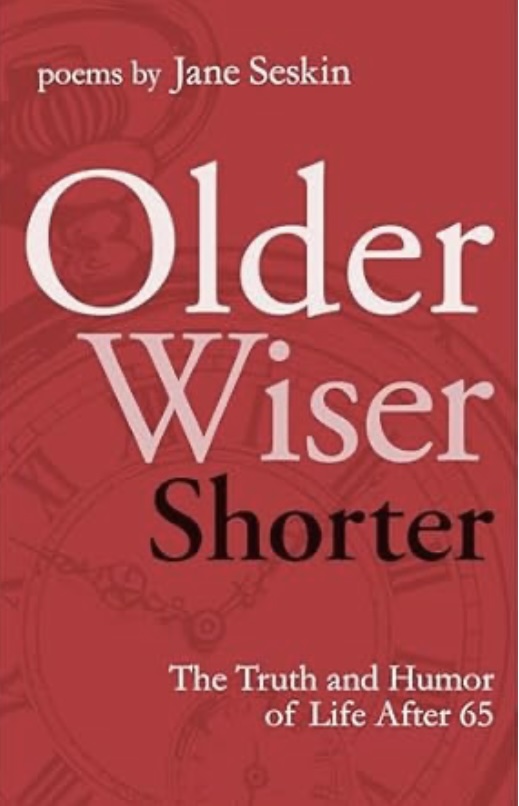 Older Wiser Shorter is an intimate collection of 89 poems from Jane Seskin, a working psychotherapist and author. Seskin, authentic, funny, insightful, quirky and heartfelt, acknowledges the disappointments, physical vulnerability and emotional loss taking place in her senior years. She is able to discover within herself a solid sense of power, resilience and new-found joys through her struggles to acknowledge, accommodate and accept her aging. Seskin's ability to make the very personal universal, will resonate with readers seeking to discover new ways to honor the past, celebrate the present and welcome the future. A Reading Guide to the poems will inspire further reflection and discussion for book and women's groups.
Praise for Older Wiser Shorter:
“Even tho I’m not a fan of poetry, I found Jane Seskin’s poems to be a delight. They hit home.”
— Jane Brody, former Personal Health columnist, New York Times
“I sat down to read one poem last night and I ended up reading half the book. I feel as though I know you. You have definitely captured the experience of aging.”
— Mary Pipher, author of Women Running North and My Life in Light
“Candid, funny, and best of all inspiring, the poems in Jane Seskin’s Older Wiser Shorter throw open a window on aging. Suddenly a breeze of resilience sails through. I learned from Seskin’s poems; they became like mentors for the strange adventure of late-life living. Kindness infuses them. The ‘enormous optimism’ of this intrepid book might prove the greatest wisdom of the ages.”
— Molly Peacock, author of The Analyst
Older Wiser Shorter is an intimate collection of 89 poems from Jane Seskin, a working psychotherapist and author. Seskin, authentic, funny, insightful, quirky and heartfelt, acknowledges the disappointments, physical vulnerability and emotional loss taking place in her senior years. She is able to discover within herself a solid sense of power, resilience and new-found joys through her struggles to acknowledge, accommodate and accept her aging. Seskin's ability to make the very personal universal, will resonate with readers seeking to discover new ways to honor the past, celebrate the present and welcome the future. A Reading Guide to the poems will inspire further reflection and discussion for book and women's groups.
Praise for Older Wiser Shorter:
“Even tho I’m not a fan of poetry, I found Jane Seskin’s poems to be a delight. They hit home.”
— Jane Brody, former Personal Health columnist, New York Times
“I sat down to read one poem last night and I ended up reading half the book. I feel as though I know you. You have definitely captured the experience of aging.”
— Mary Pipher, author of Women Running North and My Life in Light
“Candid, funny, and best of all inspiring, the poems in Jane Seskin’s Older Wiser Shorter throw open a window on aging. Suddenly a breeze of resilience sails through. I learned from Seskin’s poems; they became like mentors for the strange adventure of late-life living. Kindness infuses them. The ‘enormous optimism’ of this intrepid book might prove the greatest wisdom of the ages.”
— Molly Peacock, author of The Analyst
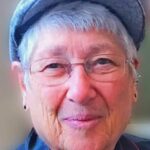 Sandy Morris is a San Francisco Bay Area artist and photographer. Her work has been displayed in New York, San Francisco and Bay Area galleries. She is a photographer for the San Francisco Bay Times. Her photos range from journalistic to creative, her drawings and paintings from the whimsical to the political, to emotions, and everything in between. Her work is featured on the
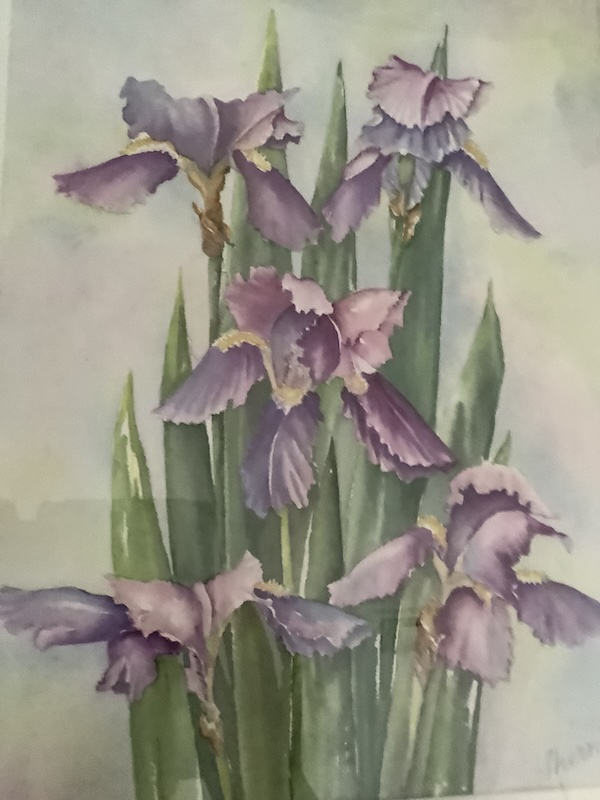
 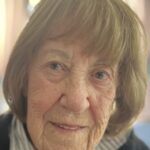 Sue Sherrill, whose watercolor is at the top of this page, is "a never-aging, healthy 103 year old woman.” During World War II, she joined the WAC. When discharged, she pursued her dream and went to art school. Graduating with a BFA, she became a freelance textile designer. Later she received an MFA and became an art teacher in public school and college.
I look forward to being a part of your literary, arts and illuminating community.
Many thanks for your comment — and that you’re becoming a part of our community. We look forward to hearing more from you.