
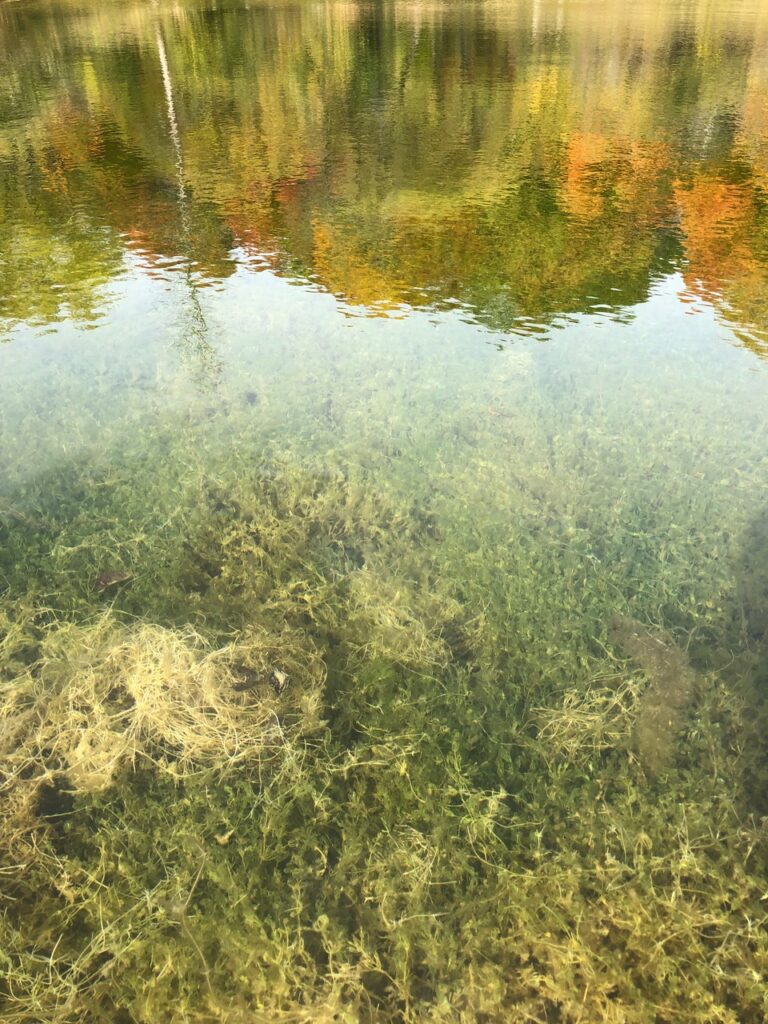
Autumn on the Water, photograph by L Maristatter
Introduction: A Bone of Contention — Government Support for the Arts
Art Editor Greta Berman writes in this issue about her work helping to restore murals created under the auspices of the Depression-era Federal Art Project, which made it possible for muralists, easel painters, sculptors, and others to concentrate on and nurture their talents. The Library’s Music Division houses the records the Federal Music Project (1935-39)—later the Works Progress Administration Music Program (1939-1943)—which employed professional musicians of all types who would otherwise have been on the relief rolls. That division also houses records of the Federal Theatre Project (1935-39), which supported actors, directors, playwrights, and scenic designers, and provided access to excellent theater for Americans across the country.
Some of this government-supported art did cause controversy—most notably Orson Welles’ production of Macbeth, which he set in Haiti with an all-Black cast, voodoo replacing the element of witchcraft. Controversy over not only federal but also municipal and state government support of the arts has continued to surge and ebb ever since—largely because, as professor of theatre James M. Brandon wrote in a letter to the MIT publication TDR (Winter 1997),
Governments at all levels, on the other hand, tend to be conservative as they grapple with financial constraints, political movements, and crises ranging from crime to climate change. Still, if, as we believe and history indicates, the arts are vital to the life of the mind and spirit, should governments support them? And if so, how and in what ways? We’ve asked our readers to send us their thoughts and experiences on this subject. Four of our readers responded in the short window we were able to leave open for Forum submissions. All four give us ample food for thought, and we are grateful for their contributions. This is an “evergreen” subject, and we hope to receive more comments from our readers, via the comment window at the end of this page and/or through emails to editor@persimmontree.org with the subject line “Support for the Arts.”
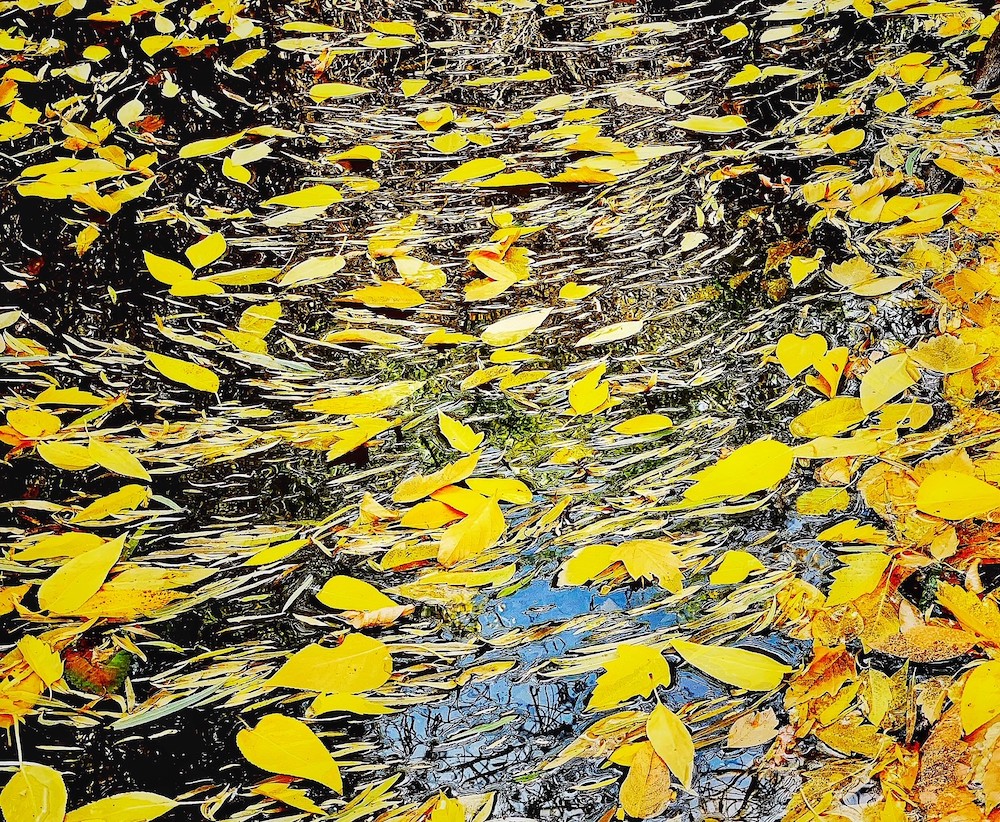
Floating Downstream, photograph by Linda Allison
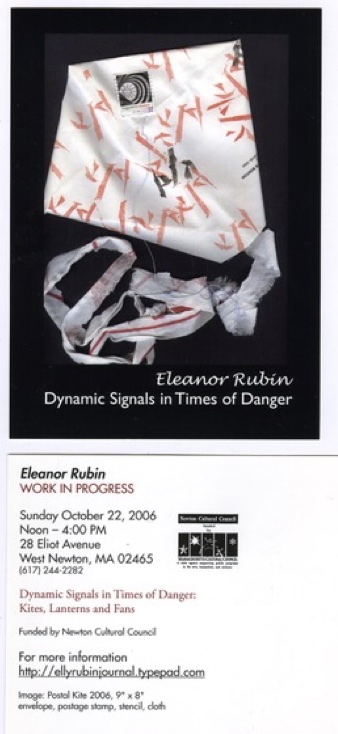
My interest at that time was in how people signal
My inspirations included:
KITES that flew over the barrier wall between Israel and the West Bank in a project called 10,000 kites (Spring 2005).
My work was not restricted or censored by the funds that I accepted from the Massachusetts Cultural Council.
The support from state funds I received was invaluable for continuing my studio work. I supplemented these funds by working at the Museum of Fine Arts, Boston, as an artist/educator. Combining government grants and salary from my work at the museum helped me to sustain my work as an artist. At age 82 I am still actively engaged in work in my studio. My prints and watercolors are in collections such as the Boston Athenaeum and the print collection of the Museum of Fine Arts, Boston.
Eleanor Rubin
Canton, Massachusetts
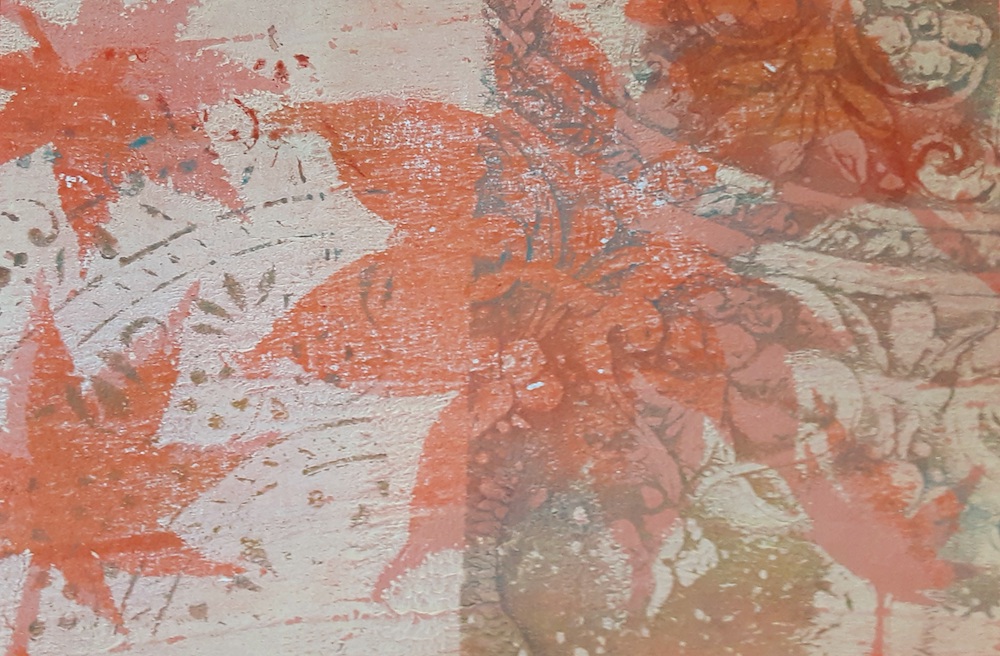
Organic Introspection, acrylic paints on rice paper, by Lilian Hill
I’ve personally been barred from a government-sponsored, local visual arts organization’s juried shows because I refused to paint pornography. The non-artist head of the group, acting as a committee-of-one, went so far as to say my work, while being technically very good, was not “art” because it was not controversial. He was substituting his own standards of indecency for more traditional hallmarks of good art.
We can do better.
Jan Miller
Coconut Creek, Florida
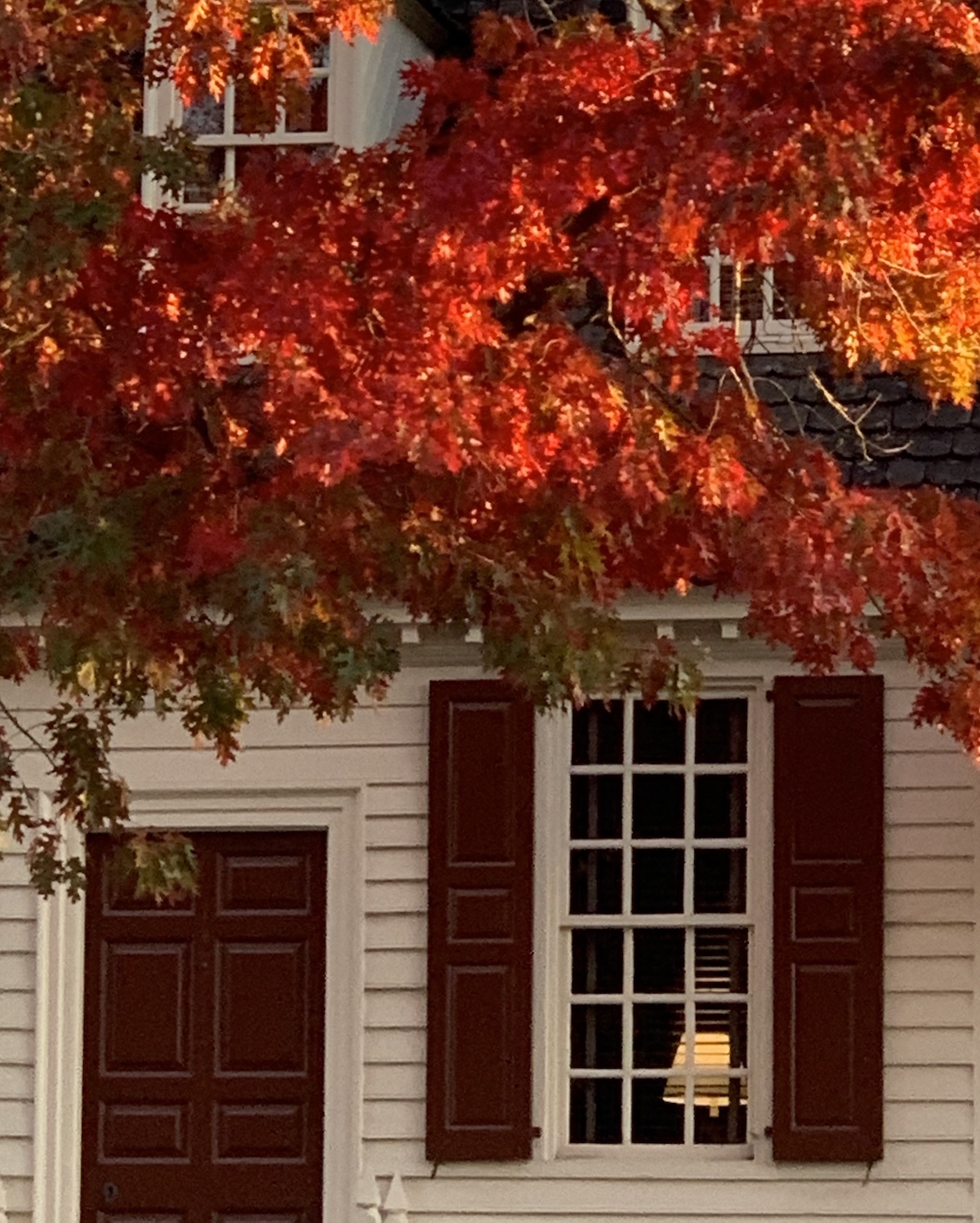
Sunset, photograph by Lynn B. Connor
EXAMPLE of Government monies challenging local art growth:
1963: A small group of socially active individuals created the Memphis Arts Council as an umbrella organization to manage an annual fund drive and coordinate scheduling for six major art groups in Memphis. Staffing money was borrowed.
1973: Fundraising goals were reached in only two of the past ten years. Council, having assumed member groups’ deficits, was deeply in debt. Member group allotments were cut, financial obligations paid off, board restructured with strong business/corporate representation.
1975: Council secured a “first” in National Endowment for the Arts’ history: a grant challenging a state to help fund a project that was to be administered by a community agency, thus encouraging state funding of local arts.
1984: NEA issued Memphis another challenge—$250,000 for three years if matched in new funds from the city, county, and corporate donors. $1,156,477 was raised. Memphis arts flourished over the next decades.
2023: Arts Memphis (Council’s new name) invests over $3,000,000 annually in the arts of its city.
Sally Palmer Thomason, Ph.D.
Memphis, Tennessee

Autumn Leavings, photograph by Linda Allison
Without government support, the arts industry may crumble.
Governmental funding is essential to revive and sustain the arts sector. It provides financial stability for artists, enabling them to continue creating and sharing their work with the world. It promotes accessibility by supporting affordable cultural programs, exhibitions, and performances, ensuring diverse voices and perspectives are heard.
Critics argue that government involvement in funding may lead to artistic content manipulation. It’s important to distinguish between funding allocation and artistic content control. Government support can be increased without interfering in artistic content. Funding should focus on nourishing artistic expression, supporting artistic development, and facilitating access to the arts for all.
[G]overnment funding… provides necessary financial aid, encourages inclusivity, and helps strengthen the arts industry as a whole. By increasing funding without meddling in artistic content, we ensure a vibrant and thriving arts scene that enriches our society and uplifts us all.
Concetta Pipia
Queens, New York
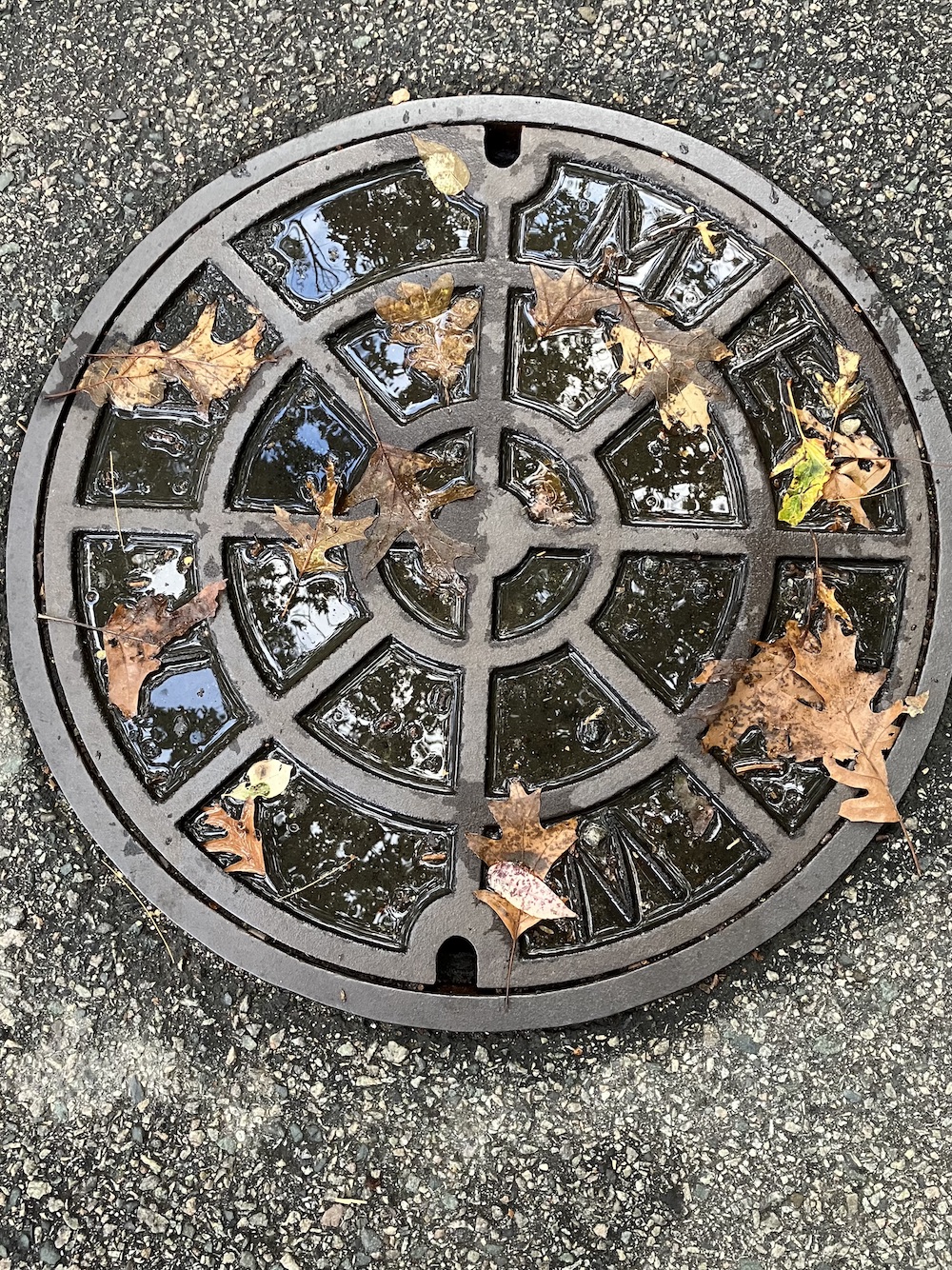
Urban Autumn, photograph by Elsa Lichman
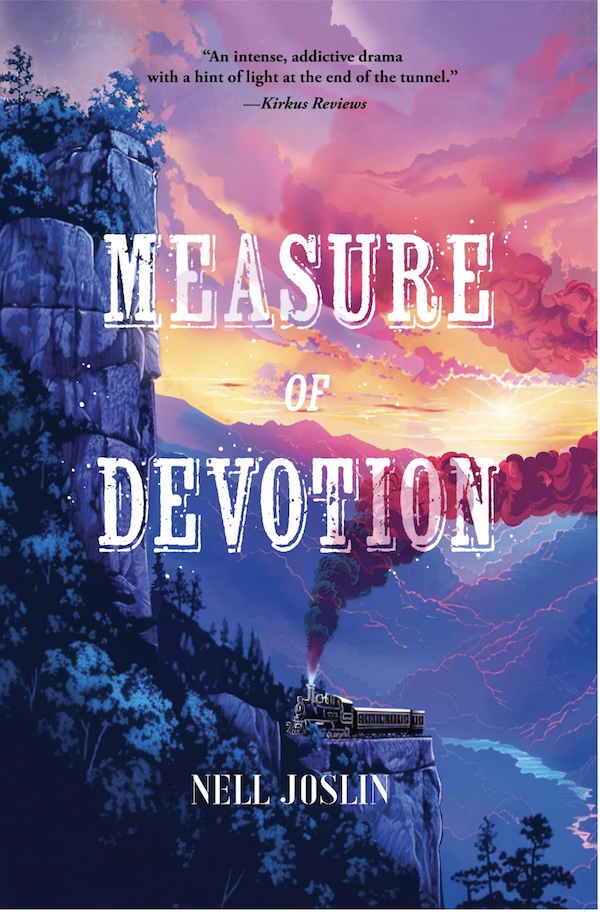 "An intense, addictive drama with a hint of light at the end of the tunnel." — Kirkus Reviews
It is the Civil War, Susannah Shelburne, age 36, is living in South Carolina. Although she and her husband oppose the Southern cause, their only child Francis is a Confederate soldier. When Francis is wounded in Tennessee, Susannah leaves home to find him. Under her care his condition improves, but he soon becomes a prisoner of war, and Susannah strikes a wrenching personal bargain in exchange for his parole. Soon, though, news from South Carolina makes it clear that returning home is impossible, and Francis’s worsening mental state necessitates a high-stakes escape plan.
There is a wildness hidden beneath Susannah’s demure façade, leading her into unconventional, courageous decisions that put her at odds with her husband, her son and her community. Adversity also brings her more fully into the realities of the people of color in her life.
Measure of Devotion’s themes—political differences among families and communities, the urgent need for transracial understanding, a woman’s existential search for control of her own life—are the persistent issues of our national consciousness.
“Measure of Devotion is a debut novel that is bound to enter the canon of classic Civil War literature. That it's told from a woman’s viewpoint makes it unique.” — Hungry for Good Books
Available from Regal House Publishing, Amazon, Barnes and Noble, Bookshop, and your local independent bookseller.
For more, go to measureofdevotion.com
"An intense, addictive drama with a hint of light at the end of the tunnel." — Kirkus Reviews
It is the Civil War, Susannah Shelburne, age 36, is living in South Carolina. Although she and her husband oppose the Southern cause, their only child Francis is a Confederate soldier. When Francis is wounded in Tennessee, Susannah leaves home to find him. Under her care his condition improves, but he soon becomes a prisoner of war, and Susannah strikes a wrenching personal bargain in exchange for his parole. Soon, though, news from South Carolina makes it clear that returning home is impossible, and Francis’s worsening mental state necessitates a high-stakes escape plan.
There is a wildness hidden beneath Susannah’s demure façade, leading her into unconventional, courageous decisions that put her at odds with her husband, her son and her community. Adversity also brings her more fully into the realities of the people of color in her life.
Measure of Devotion’s themes—political differences among families and communities, the urgent need for transracial understanding, a woman’s existential search for control of her own life—are the persistent issues of our national consciousness.
“Measure of Devotion is a debut novel that is bound to enter the canon of classic Civil War literature. That it's told from a woman’s viewpoint makes it unique.” — Hungry for Good Books
Available from Regal House Publishing, Amazon, Barnes and Noble, Bookshop, and your local independent bookseller.
For more, go to measureofdevotion.com
 After forty years in finance, Linda Allison is enjoying a second life as a writer, photographer, and explorer. Her written work has appeared in Bright Flash Literary Review, McQueen’s Quinterly, Star 82 Review, Dark Winter Lit, and others. Her photography was recently included in Burningword Journal.
  With degrees in Asian history, Lynn B. Connor planned to be an academic. That was short-lived. She realized that sharing stories that explore other times and places is what she enjoyed. Her stories and poems have appeared in literary journals over the last fifty years. A few years ago she remembered the title of a book, Painting with Light, which she’d read as a teenager. The only thing she remembered about it was the title, but that made her see differently when taking a photo. Go to
  Lilian H. Hill, PhD, ACC, is professor emerita, School of Education, University of Southern Mississippi. She was inducted into the International Continuing Education Hall of Fame in 2018. She retired in 2021 and has a composite career as a certified life coach, artist, and author.
  Elsa Lichman, MSW, LICSW, is a retired social worker who worked for 43 years in the field. In retirement, she turned to the arts, becoming a newspaper columnist, poet, solo singer, choral singer, and photographer. Her love of nature has taken her on many magical adventures.
 L Marisatter is a photographer, graphic designer, author, and publisher. Her debut novel, Tiny Tin House, is available